For years, Mexico’s meetings industry has been synonymous with its coastlines. The formula was clear: oceanfront resorts, large-scale convention centers, and integrated hospitality complexes designed to host thousands of delegates under one roof. It worked, and it continues to work.
But the global MICE landscape is changing.
Today’s planners are not only evaluating square footage and breakout capacity, they are evaluating the atmosphere, cultural resonance, accessibility, sustainability, and strategic alignment with industry clusters. They are asking whether a destination can deliver meaning alongside logistics.
In that evolving context, a new contender has steadily gained attention in central Mexico.
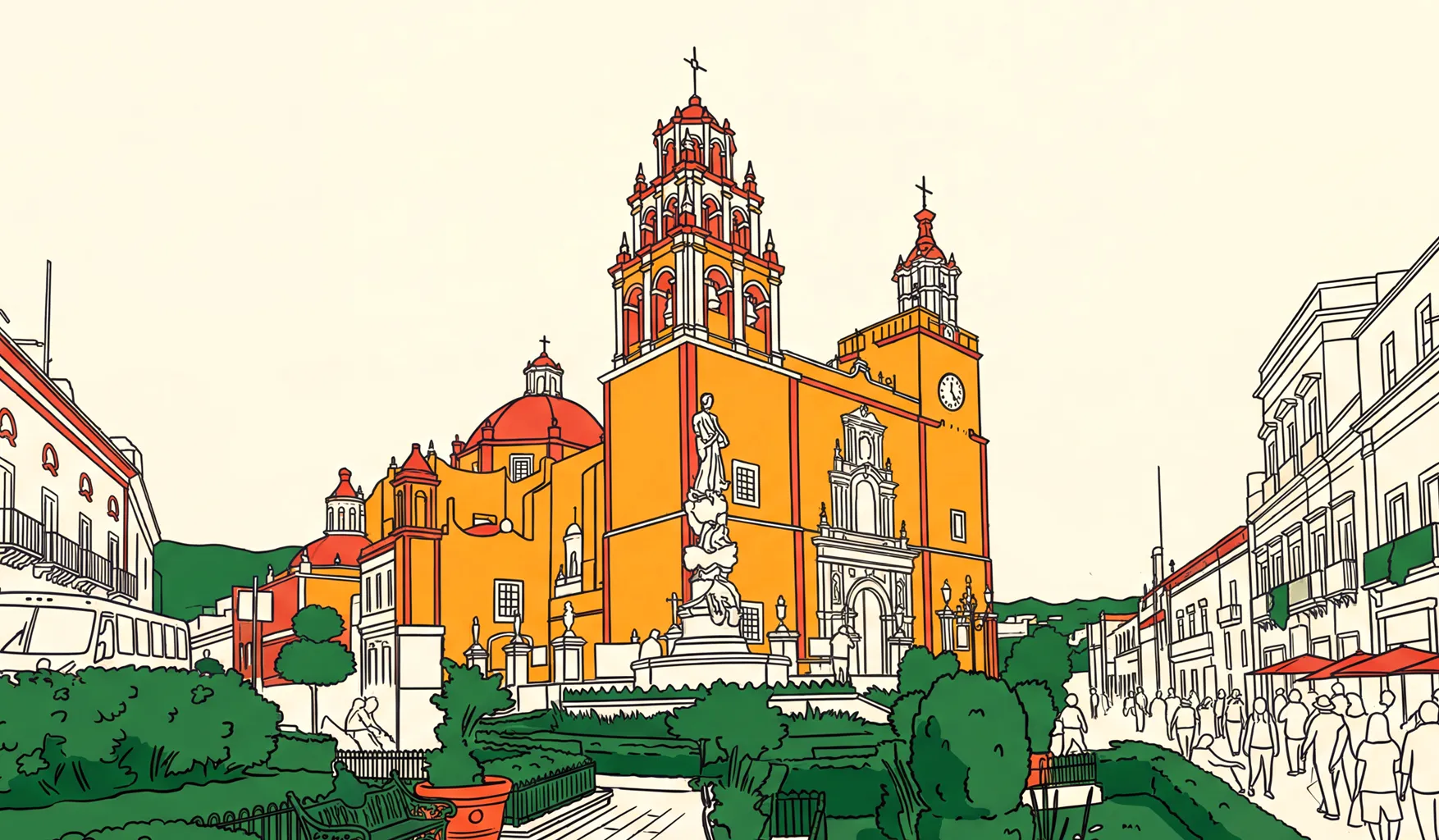
Is Guanajuato the next big MICE destination in Mexico?
The answer lies not in a single city, but in a six-destination ecosystem that offers something rare: scale without uniformity, culture without compromise, and infrastructure without overexposure.
Across the state, cities create a diversified platform capable of hosting everything from global conventions to intimate executive retreats. The real strength of Guanajuato is not that it imitates established destinations. It offers an alternative model entirely.
A New Chapter in Mexico’s Meetings Industry
The modern meetings industry is driven by transformation. Corporate gatherings are no longer isolated events; they are extensions of company culture, leadership development, and brand storytelling. Incentive travel has evolved from reward-based leisure to immersive experiences designed to inspire performance and loyalty. Executive retreats are expected to foster clarity, creativity, and alignment.
Beach destinations still provide volume and efficiency. However, they often present a homogeneous experience. For organizations seeking differentiation, repetition becomes a challenge.
Central Mexico presents a compelling contrast. Guanajuato’s geographic location places it within reach of major business corridors, while its cultural richness elevates it beyond a purely transactional destination. The state has leveraged its industrial strength, architectural heritage, and expanding hospitality infrastructure to position itself as a multidimensional meetings hub.
Rather than concentrating its capacity in a single metropolis, Guanajuato distributes it strategically across six cities. This diversification provides flexibility for planners and resilience for the destination.
León: Infrastructure and Scale with Strategic Depth
Any serious discussion of Guanajuato’s MICE potential begins in León.
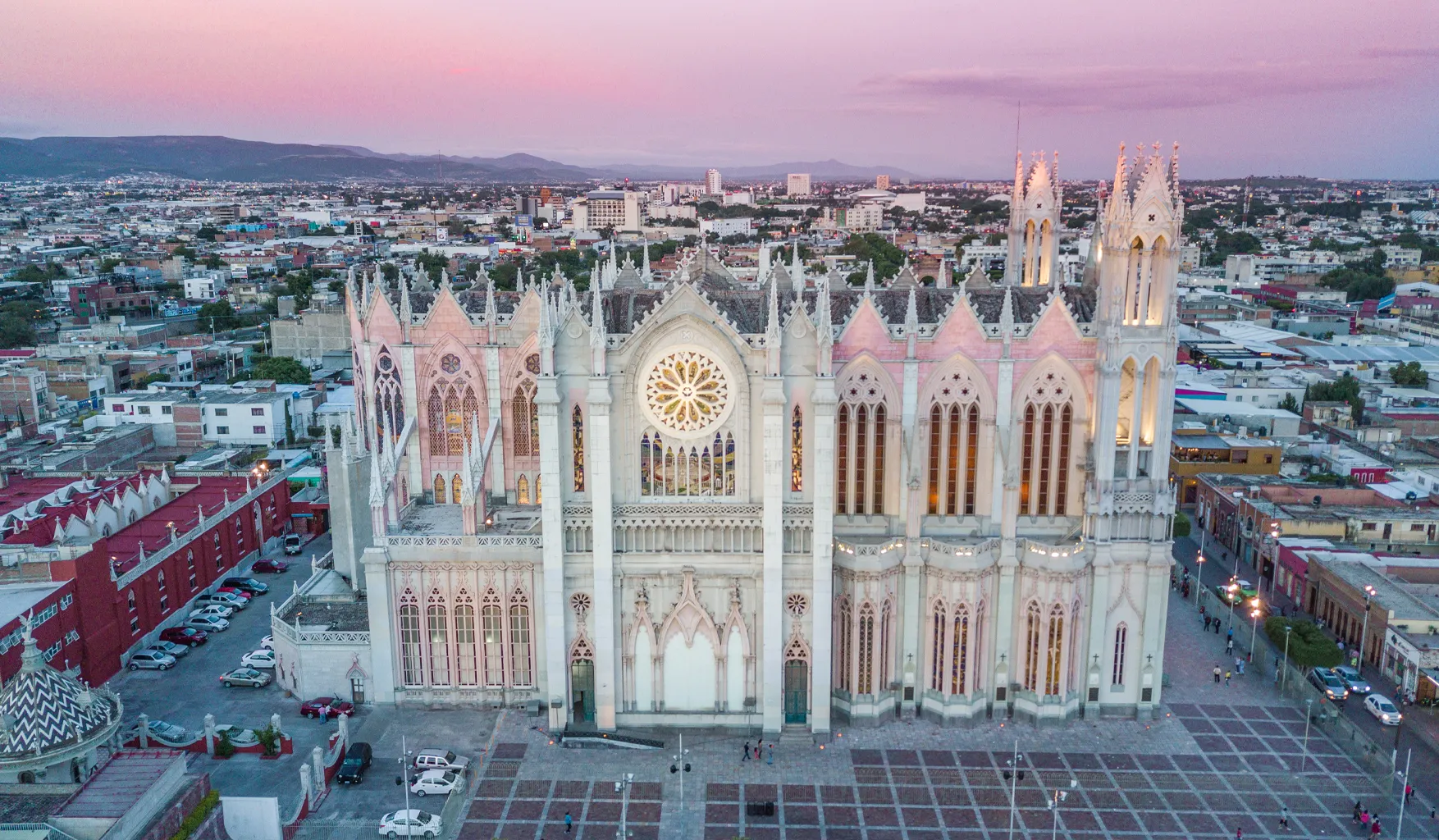
León anchors the state’s large-scale meeting capacity. As one of the most economically dynamic cities in central Mexico, it has developed the infrastructure necessary to host conventions, trade fairs, and industry exhibitions of significant size. Its convention facilities, supported by a broad hotel inventory, make it capable of accommodating high-volume events without the congestion associated with larger metropolitan areas.
Yet León’s appeal extends beyond its meeting spaces. The city is deeply embedded in Mexico’s industrial and manufacturing network, particularly in sectors such as automotive and leather production. For sector-driven conferences and trade expos, this industrial relevance adds contextual value. Delegates attending events in León are not merely gathering in neutral territory; they are engaging within a region that actively participates in global supply chains.
Accessibility further strengthens León’s position. With Bajío International Airport located nearby in Silao, international and domestic connectivity supports efficient delegate movement. For planners seeking operational reliability paired with economic substance, León provides a solid foundation.
However, León’s most strategic advantage lies in its proximity to the rest of the state. It serves as the anchor point in a broader ecosystem, allowing planners to layer experiences beyond the convention floor.
Silao: The Gateway and Industrial Connector
Silao may not command the same international recognition as some of its neighboring cities, but its role within Guanajuato’s meetings ecosystem is essential.
Home to Bajío International Airport, Silao acts as the logistical gateway to the region. Its industrial parks and proximity to major automotive plants make it a natural environment for corporate meetings tied to manufacturing, logistics, and supply chain operations. Board meetings, supplier conferences, and industry summits benefit from being hosted within immediate reach of production facilities.
For planners organizing events that combine strategic discussions with plant visits or operational tours, Silao offers practical alignment. Its business-focused hospitality options cater to corporate travelers who prioritize efficiency and accessibility.
In many destinations, the airport city remains disconnected from the experience. In Guanajuato, Silao integrates seamlessly into a multi-city strategy, functioning as both an arrival point and business anchor.
San Miguel de Allende: Emotion, Incentive, and Executive Intimacy
If León represents infrastructure, San Miguel de Allende represents inspiration.
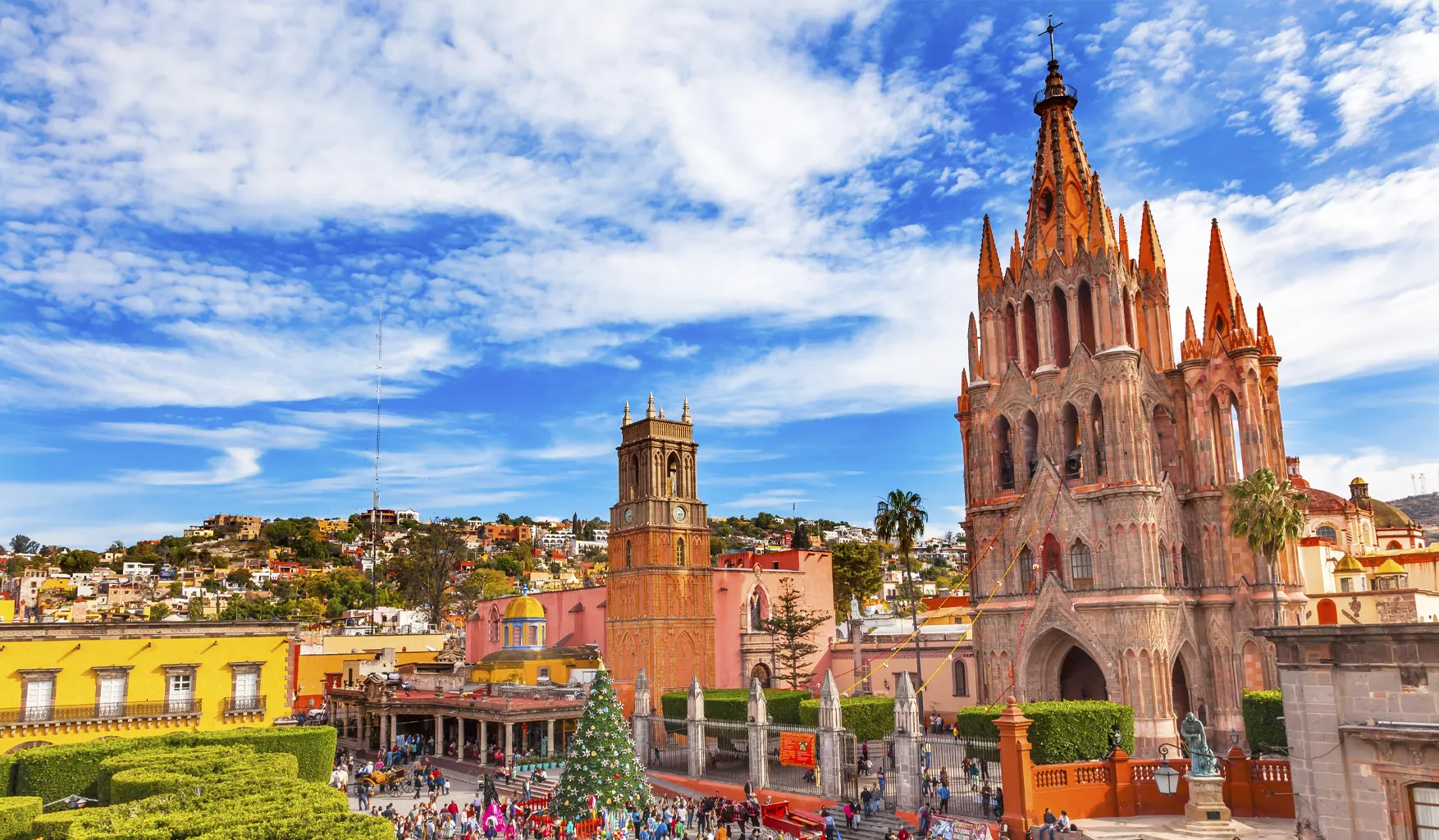
Internationally acclaimed for its colonial architecture, artistic energy, and culinary sophistication, San Miguel has long attracted discerning global travelers. For the MICE industry, it offers something increasingly rare: intimacy with prestige.
Executive retreats held in San Miguel unfold within restored haciendas, boutique luxury hotels, and private courtyards illuminated by candlelight. Strategy sessions transition naturally into rooftop receptions overlooking pink-hued spires. Leadership teams move from morning workshops to vineyard tastings in the surrounding countryside.
The city’s walkable historic center encourages organic networking. Conversations continue over artisanal coffee in hidden plazas or during gallery visits showcasing contemporary Mexican art. Incentive groups experience curated cultural immersion rather than generic leisure programming.
San Miguel does not compete on scale. It competes on emotional impact.
For high-level corporate gatherings, where trust-building and strategic alignment are priorities, the city’s atmosphere enhances outcomes. Delegates leave not only informed, but inspired.
Irapuato and Celaya: Sector Strength and Emerging Potential
Beyond the internationally recognized destinations, Guanajuato’s industrial cities add another dimension to its MICE proposition.
Irapuato, historically associated with agricultural production, has developed into a strong agro-industrial center. Its business infrastructure supports mid-size conferences and professional forums, particularly in sectors related to food production, agriculture, and distribution. For organizations operating within these industries, hosting events in Irapuato provides thematic relevance.
Celaya, meanwhile, represents forward-looking growth. With expanding manufacturing investment and strategic highway connectivity, the city is positioning itself as an emerging business hub. While it may not yet rival León in convention scale, its development trajectory signals long-term opportunity.
Together, Irapuato and Celaya diversify the state’s economic narrative. They demonstrate that Guanajuato’s MICE appeal is not confined to tourism appeal alone, but reinforced by industrial substance.
Guanajuato City: Cultural Gravitas and Intellectual Exchange
Guanajuato City offers a unique meeting environment.
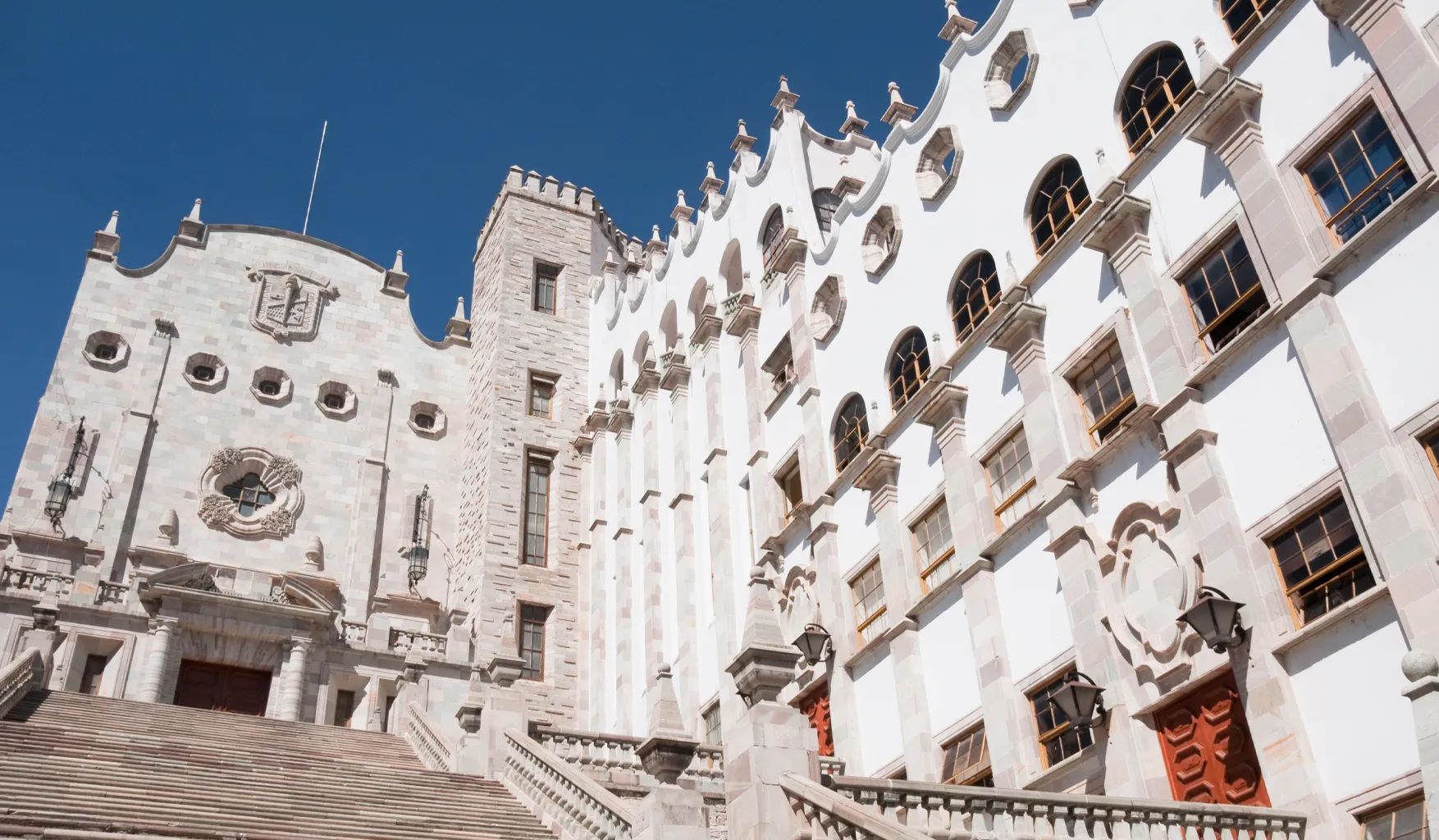
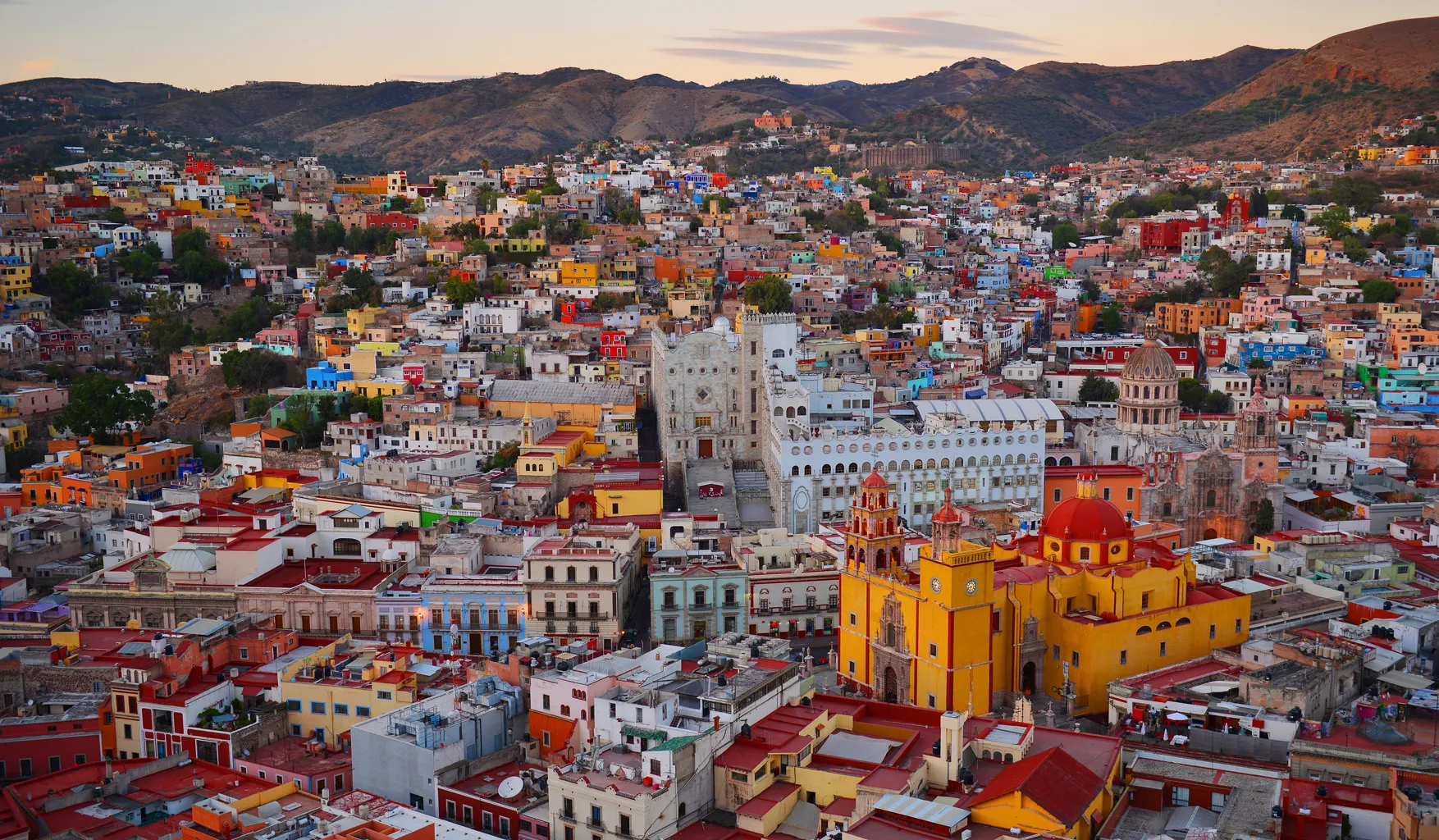
Set dramatically among hillside streets and colorful facades, the city carries an intellectual and artistic heritage that distinguishes it from traditional convention centers. Its theaters, historic buildings, and academic institutions provide distinctive venues for conferences, policy forums, and creative industry gatherings.
Events hosted here benefit from architectural grandeur and cultural prestige. Delegates attend sessions in spaces steeped in history rather than standardized ballrooms. Evenings unfold in plazas filled with live music and local tradition.
For academic associations, think tanks, and organizations prioritizing dialogue over spectacle, Guanajuato City offers authenticity that enhances credibility.
Designing Integrated Experiences Across the State
Perhaps the most compelling argument for Guanajuato as a next-generation MICE destination lies in its integration.
Within relatively short travel distances, planners can design programs that move fluidly between cities. A large convention might anchor in León, while leadership breakouts transition to San Miguel. A closing gala could take place in Guanajuato City’s historic setting. Industrial site visits might be incorporated in Silao or Celaya.
This layering allows for narrative progression within a single event. Delegates experience multiple environments without requiring domestic flights or complex logistics.
Incentive programs benefit especially from this flexibility. Corporate achievers can participate in structured meetings before transitioning into immersive cultural experiences that reinforce reward and recognition.
Few destinations offer this balance of proximity and diversity.
The Experiential Imperative
Modern meetings must justify investment through engagement. Attendees expect more than agendas; they expect experiences.
Guanajuato’s cultural fabric supports this expectation naturally. Vineyard dinners set beneath expansive highland skies. Artisan workshops connecting delegates with local craftspeople. Historic courtyard receptions accompanied by live music. Culinary journeys that highlight regional ingredients and contemporary Mexican cuisine.
These experiences are not artificially constructed for tourists; they are rooted in the region’s identity. This authenticity enhances participant perception and strengthens organizational storytelling.
Sustainability and Strategic Responsibility
As corporations integrate sustainability into decision-making, destination choice becomes a statement.
Guanajuato’s distributed model reduces the concentration of mass tourism. Boutique properties and local sourcing strengthen community engagement. Cultural preservation remains central to the region’s identity.
Rather than overwhelming fragile ecosystems, events in Guanajuato contribute to diversified regional development. For planners accountable to ESG objectives, this positioning carries weight.
Accessibility, Security, and Economic Confidence
Operational reliability remains essential in the meetings industry. Guanajuato benefits from strong road infrastructure and connectivity via Bajío International Airport. Its location within central Mexico facilitates access from major domestic markets and international gateways.
The state’s robust manufacturing base reinforces economic stability. Automotive, aerospace, and logistics industries maintain a global presence here, underscoring business confidence.
For corporate decision-makers, this economic backdrop supports trust in the destination.
So, Is Guanajuato the Next Big MICE Destination in Mexico?
Guanajuato may never attempt to replicate Mexico’s beach mega-resorts. It does not need to.
Its strength lies in versatility. In the ability to host a 5,000-attendee convention in León and a 25-person executive retreat in San Miguel with equal sophistication. In the capacity to integrate industrial relevance with cultural immersion. In the flexibility to design multi-city narratives that enhance engagement.
In an era where meetings must deliver measurable impact, destinations must offer more than infrastructure. They must offer identity.
Guanajuato offers an identity shaped by industry, architecture, heritage, and innovation. It provides planners with options rather than formulas.
The next big MICE destination in Mexico may not be defined by size alone. It may be defined by adaptability, authenticity, and strategic depth.
By those standards, Guanajuato is not simply emerging.
It is evolving into one of Mexico’s most versatile platforms for the future of meetings and incentive travel.