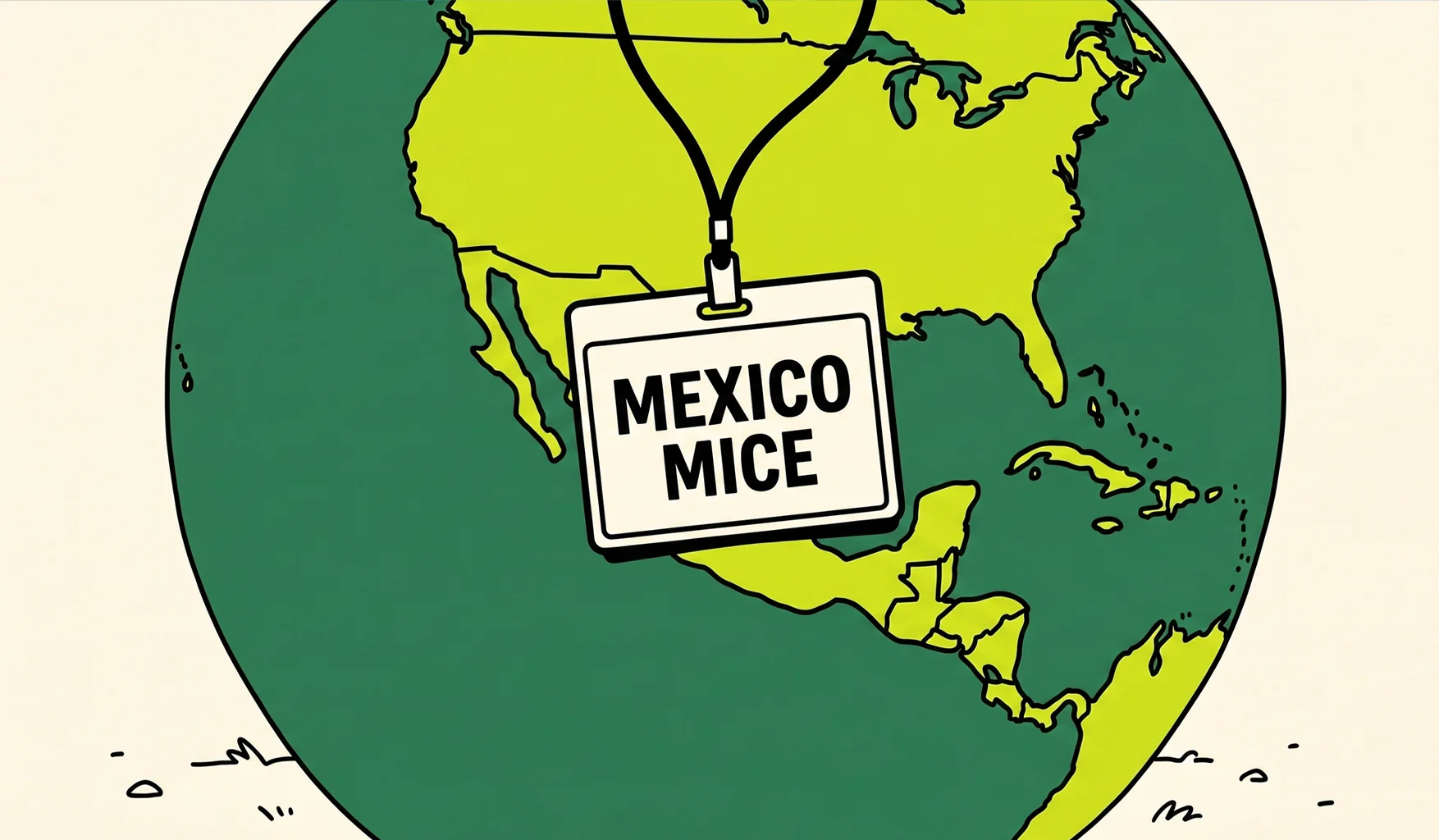
Global sporting events have always been powerful platforms for connection. They gather audiences across borders, cultures, and industries, creating moments of shared emotion that few other settings can replicate. When approached strategically, sports become more than entertainment; they become a catalyst for relationships, brand storytelling, and long-term business impact. FIFA 2026 represents one of those rare moments where sport, culture, and global attention converge at an unprecedented scale.
For corporations, FIFA 2026 is not simply an opportunity to attend matches. It is a chance to host, engage, and inspire. Sports hospitality has evolved far beyond premium tickets and exclusive seating. Today, it is about designing holistic experiences that reflect brand values, foster meaningful connections, and leave a lasting impression on clients, partners, and internal stakeholders.
Mexico, as one of the host countries of FIFA 2026, offers a unique setting for this evolution. With its cultural depth, hospitality expertise, and business infrastructure, it allows companies to transform football into a sophisticated corporate experience that resonates well beyond the stadium.
The Evolution of Sports Hospitality
Sports hospitality has undergone a significant transformation over the past decade. What once centered on access and exclusivity has shifted toward experience design and emotional engagement. Corporate guests no longer measure value solely by proximity to the action; they evaluate how the experience made them feel, what connections it enabled, and how seamlessly it was executed.
In the context of FIFA 2026, this shift is particularly relevant. The scale of the event demands a more thoughtful approach, one that balances spectacle with intention. True sports hospitality today integrates match attendance into a broader journey, where every touchpoint, from arrival to farewell, is aligned with a clear purpose.
This evolution reflects a broader change in corporate culture. Businesses increasingly recognize the importance of experiences as tools for relationship-building, loyalty, and brand differentiation. Sports hospitality, when done well, creates an environment where conversations flow naturally, trust is strengthened, and brands are remembered not for what they showed, but for how they made people feel.

Why FIFA 2026 Is a Defining Moment for Corporate Hosting
FIFA 2026 stands apart from previous tournaments in scale, reach, and complexity. With multiple host countries, an expanded number of matches, and a truly global audience, it offers corporations unparalleled visibility and engagement opportunities. Yet this scale also brings challenges. Demand will be intense, logistics will be complex, and expectations will be higher than ever.
For corporate hosts, FIFA 2026 is not about doing more, but about doing better. It is about clarity of objectives. Are you strengthening relationships with top clients? Rewarding high-performing teams? Positioning your brand as a global player? Each objective requires a different hospitality strategy.
Mexico’s role as a host country adds a compelling dimension. The country’s deep-rooted passion for football, combined with its cultural richness and world-class hospitality, creates an emotional context that elevates corporate experiences. Here, football is not isolated from daily life; it is woven into the social fabric, making the experience feel authentic rather than staged.
Mexico as a Strategic Sports Hospitality Destination
Mexico offers corporations something few destinations can: the ability to combine global relevance with cultural depth. As a host country for FIFA 2026, it provides modern stadiums, strong connectivity, and professional services, while also offering an immersive cultural environment that enhances every aspect of the guest journey.
Major host cities such as Mexico City, Guadalajara, and Monterrey each bring distinct advantages. Mexico City stands as a global capital, rich in history, gastronomy, and creative energy. Guadalajara offers tradition, innovation, and a strong sense of identity. Monterrey brings a business-forward mindset supported by modern infrastructure and proximity to the United States.
Beyond the cities themselves, Mexico’s broader tourism ecosystem allows corporate programs to extend beyond match days. Beach destinations, colonial towns, wine regions, and cultural routes can be seamlessly integrated into hospitality programs, offering balance and depth to the overall experience.
This diversity enables companies to design programs that feel personalized rather than generic, aligning the destination with their brand narrative and the profile of their guests.
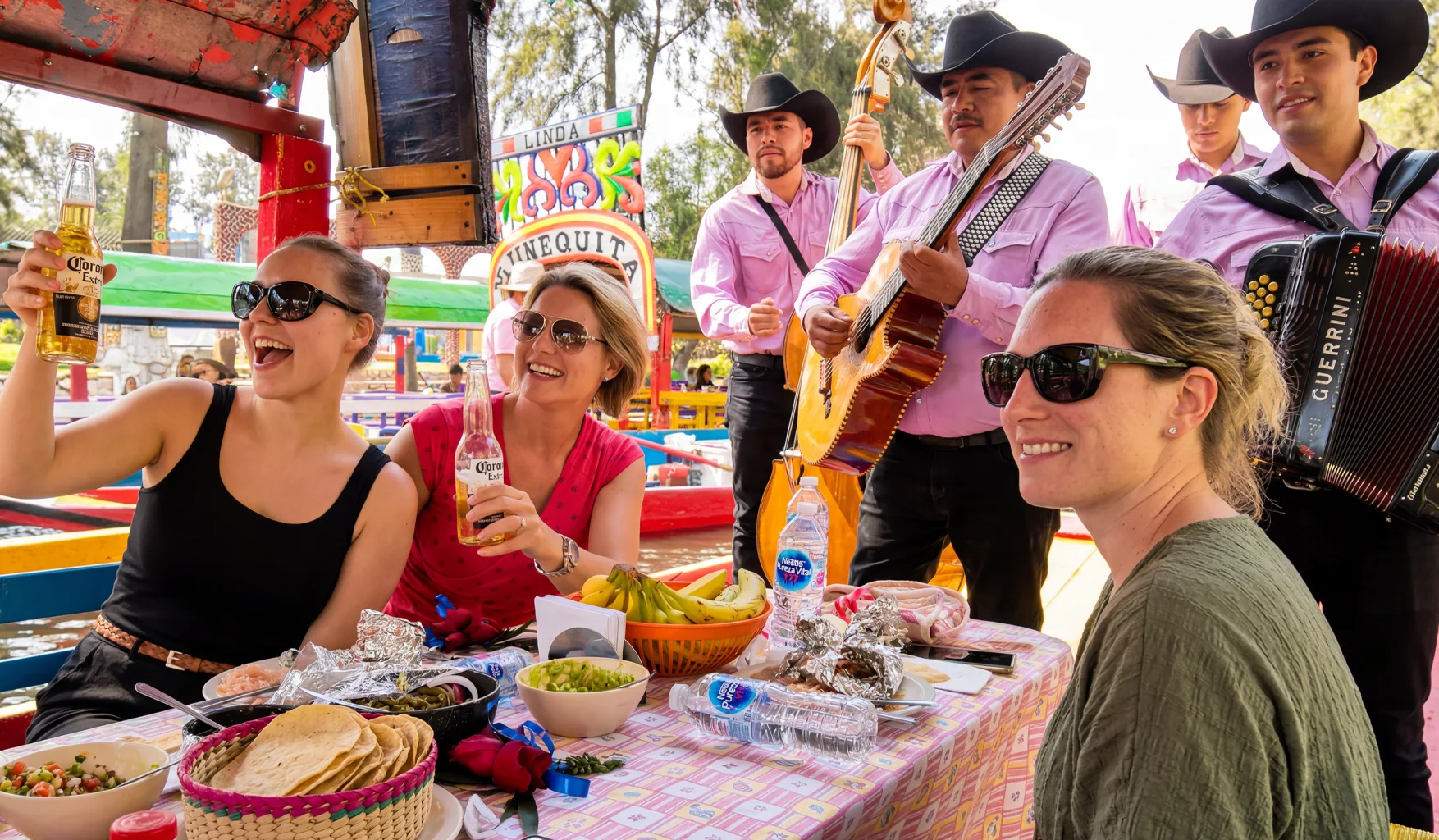
Photo From Case Study
Designing Corporate Experiences With Purpose
The most successful sports hospitality programs begin with a clear understanding of purpose. FIFA 2026 is a powerful platform, but without intentional design, even premium access can feel disconnected or transactional.
Purpose-driven design means aligning every element of the experience with the desired outcome. If the goal is relationship-building, the program should create opportunities for meaningful interaction rather than constant movement. If the goal is recognition, moments of celebration and acknowledgment should be thoughtfully incorporated. If brand positioning is key, the experience should subtly reflect brand values without feeling forced.
In Mexico, this approach benefits from the country’s natural emphasis on hospitality and shared experiences. Long meals, informal conversations, and moments of discovery create an environment where relationships deepen organically. The role of the host becomes one of facilitator rather than impresario, allowing the destination to speak for itself.
From Stadium Access to Complete Journeys
Match attendance remains the emotional core of sports hospitality, but it is only one chapter in a much larger story. Around FIFA 2026, the true value lies in how the match is framed within the broader journey.
Arrival experiences set the tone. Personalized airport services, smooth transfers, and thoughtful welcomes immediately communicate care and professionalism. Accommodations should reflect the level of the program, offering comfort, privacy, and spaces conducive to interaction.
Match days themselves require careful orchestration. Timing, transportation, security, and guest flow must be seamless to allow guests to focus on the experience rather than logistics. Pre- and post-match moments, such as private receptions or informal gatherings, provide opportunities to extend engagement beyond the ninety minutes of play.
Between matches, curated experiences add texture and meaning. Cultural encounters, gastronomy, wellness, and leisure activities create contrast and balance, preventing fatigue and enriching the overall narrative of the program.

Choosing the Right Hospitality Format
FIFA 2026 offers multiple hospitality formats, each with distinct advantages. Stadium hospitality provides immediacy and immersion, placing guests at the heart of the action. Private lounges and premium seating offer comfort and exclusivity, creating an environment conducive to conversation.
Off-site hospitality formats allow for greater customization. Private viewing events, branded lounges, and exclusive venues enable companies to control the narrative more fully, integrating brand elements and programming tailored to their audience.
In Mexico, off-site formats can be particularly powerful. Historic buildings, contemporary event spaces, and outdoor venues provide unique settings that connect guests to the destination while maintaining a high level of sophistication. When thoughtfully designed, these environments complement stadium experiences rather than compete with them.
Accommodations and Venues as Strategic Assets
Accommodation choices play a strategic role in sports hospitality. Hotels are not simply places to sleep; they become hubs for interaction, preparation, and reflection. Selecting properties that align with the tone of the program enhances cohesion and comfort.
Luxury hotels offer reliability, security, and service standards expected by corporate guests. Boutique properties provide intimacy and character, often appealing to groups seeking a more curated experience. Exclusive venues for private events further elevate the program, offering privacy and control over the guest environment.
Location remains critical. Proximity to key areas, ease of access, and surrounding amenities influence the rhythm of the program. In busy FIFA cities, thoughtful location strategy can significantly enhance the guest experience.
Curating Experiences Beyond Football
What distinguishes memorable sports hospitality programs is their ability to transcend the event itself. FIFA 2026 provides the emotional spark, but the surrounding experiences give it depth.
In Mexico, cultural immersion becomes a powerful tool for connection. Private museum visits, culinary experiences with renowned chefs, artisan encounters, and curated city tours allow guests to engage with the country in meaningful ways. These moments often become the most talked-about aspects of the trip, precisely because they feel personal and unexpected.
Wellness and leisure also play an important role. Balancing high-energy match days with moments of relaxation enhances guest satisfaction and well-being. Spa experiences, nature excursions, and quiet cultural moments provide contrast and restore energy.

Logistics and Operational Excellence
Behind every successful sports hospitality program lies meticulous planning. FIFA 2026 will bring heightened security, road closures, and fluctuating schedules. Operational excellence ensures that these complexities remain invisible to guests.
Transportation planning is particularly critical. Private transfers, experienced drivers, and real-time route management reduce stress and delays. Clear communication with guests regarding schedules, expectations, and contingencies builds confidence and trust.
Security and risk management must be integrated without feeling intrusive. Professional teams, clear protocols, and coordination with local authorities ensure safety while preserving a relaxed atmosphere.
Measuring Impact and Return on Experience
The value of sports hospitality extends beyond the event itself. Measuring impact requires looking beyond attendance and immediate feedback. Relationship strength, brand perception, and long-term business outcomes offer a more accurate picture of success.
FIFA 2026 provides an opportunity to create shared reference points that endure. Guests remember how they were treated, the conversations they had, and the moments that stood out. These memories influence future decisions, loyalty, and advocacy.
Collecting feedback, observing engagement, and following up meaningfully after the event helps translate experience into value. Sports hospitality, when viewed as an investment rather than an expense, reveals its true potential.
Sustainability and Responsible Corporate Hosting
As global attention turns increasingly toward responsible business practices, sports hospitality must evolve accordingly. FIFA 2026 places sustainability and social responsibility under the spotlight, making conscious hosting not only desirable but expected.
In Mexico, responsible hospitality can take many forms. Supporting local suppliers, incorporating community-based experiences, and minimizing environmental impact demonstrate respect for the destination. These choices align corporate programs with broader ESG objectives while enriching the guest experience.
Responsible hosting enhances authenticity. Guests increasingly value experiences that reflect care for people and place, reinforcing brand credibility and trust.
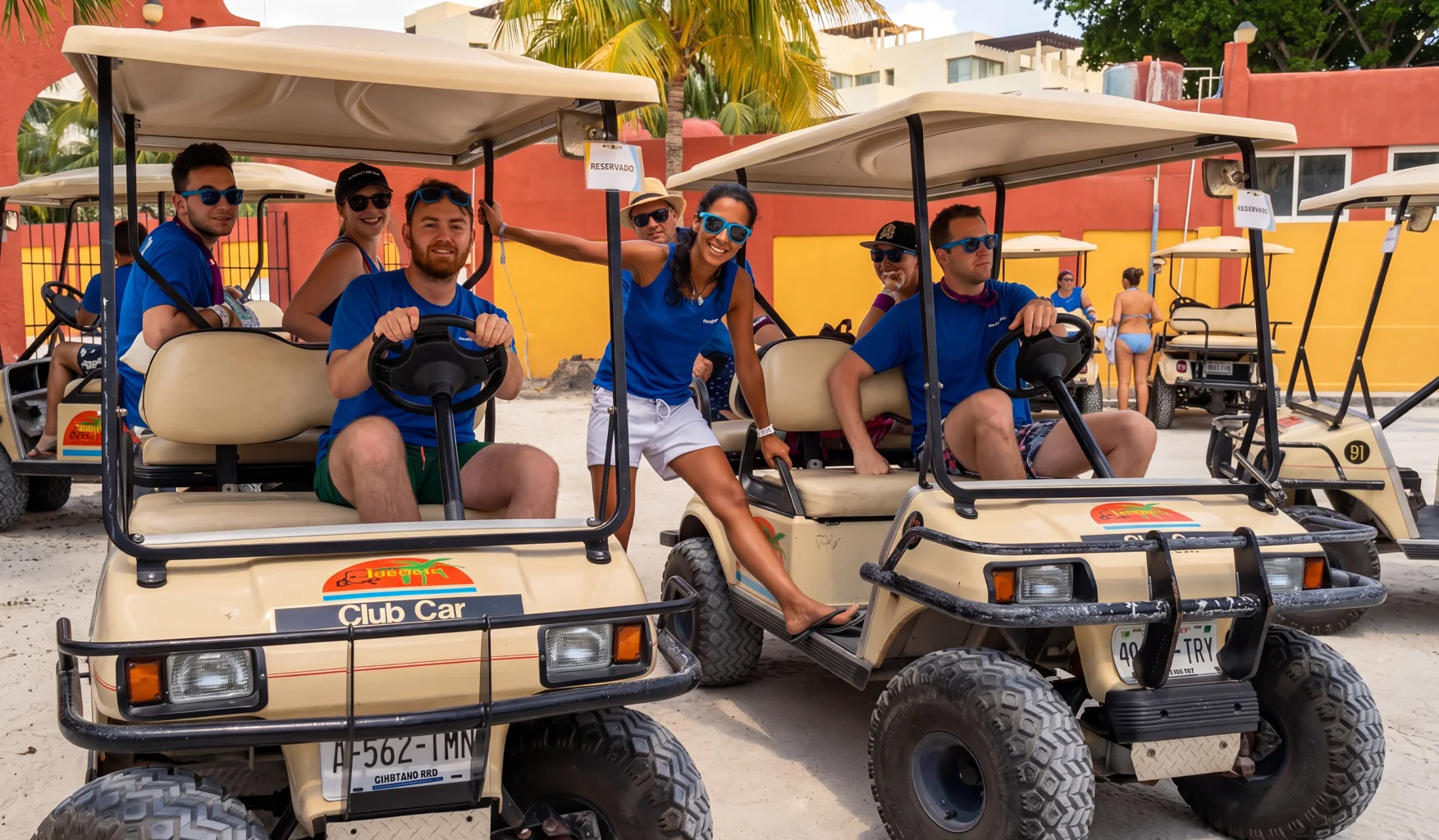
Photo from Case Study
The Importance of Local Expertise
Executing sports hospitality around FIFA 2026 requires deep local knowledge. Regulations, access, cultural nuances, and operational realities vary by destination and evolve as the event approaches. Partnering with destination specialists ensures that programs are not only well-designed but also feasible and compliant.
Local experts bring insight that cannot be replicated remotely. They anticipate challenges, identify opportunities, and adapt quickly to changing conditions. Their role is not merely logistical but strategic, shaping experiences that feel effortless and authentic.
In Mexico, where cultural context and relationships matter, local expertise becomes a critical success factor.
Creating Defining Corporate Moments
FIFA 2026 represents more than a sporting event. It is a global stage where brands can connect, relationships can deepen, and memories can be created. Sports hospitality, when approached with intention and expertise, transforms football into a powerful business experience.
Mexico offers an exceptional setting for this transformation. Its passion for football, cultural richness, and hospitality excellence create an environment where corporate experiences feel human, engaging, and meaningful.
For companies willing to invest thoughtfully, FIFA 2026 is not just an opportunity to host. It is a chance to create defining moments that resonate long after the final whistle, strengthening relationships and shaping perceptions in ways that only shared experiences can achieve.