
In today’s global business landscape, sustainability is no longer a trend; it is an expectation. As companies strive to align with environmental, social, and governance (ESG) goals, corporate events have come under increasing scrutiny for their environmental impact. From international conferences to incentive trips and product launches, events can generate a significant carbon footprint if not planned responsibly.
At the same time, events remain one of the most powerful tools for connection, brand building, and business growth. The challenge, therefore, is not to eliminate events, but to reimagine them.
Reducing the carbon footprint of corporate events is about making smarter, more intentional decisions at every stage, from destination selection to execution. It is also about recognizing that sustainability can enhance, rather than limit, the event experience.
This guide explores how to design and execute corporate events that are not only impactful and memorable but also environmentally responsible.
Understanding the Carbon Footprint of Events
To reduce impact, it is essential to first understand where emissions come from.
The carbon footprint of a corporate event is the total amount of greenhouse gas emissions generated directly and indirectly. These emissions typically stem from several key areas.
Transportation is often the largest contributor. Air travel, in particular, accounts for a significant portion of emissions, especially for international events. Ground transportation, such as transfers, shuttles, and private vehicles, also adds up quickly.
Accommodation is another major factor. Hotels consume large amounts of energy for lighting, air conditioning, heating, and laundry services.
Food and beverage services contribute through sourcing, preparation, and waste. Imported ingredients, meat-heavy menus, and food waste all increase environmental impact.
Event production, including lighting, sound systems, staging, and digital screens, requires energy, often from non-renewable sources.
Finally, materials and waste, from printed programs to promotional giveaways, can generate substantial environmental harm if not managed properly.
Understanding these components allows planners to identify opportunities for meaningful change.
Sustainable Event Planning Starts with Strategy
Sustainability should not be an afterthought, it should be embedded into the DNA of the event from the very beginning.
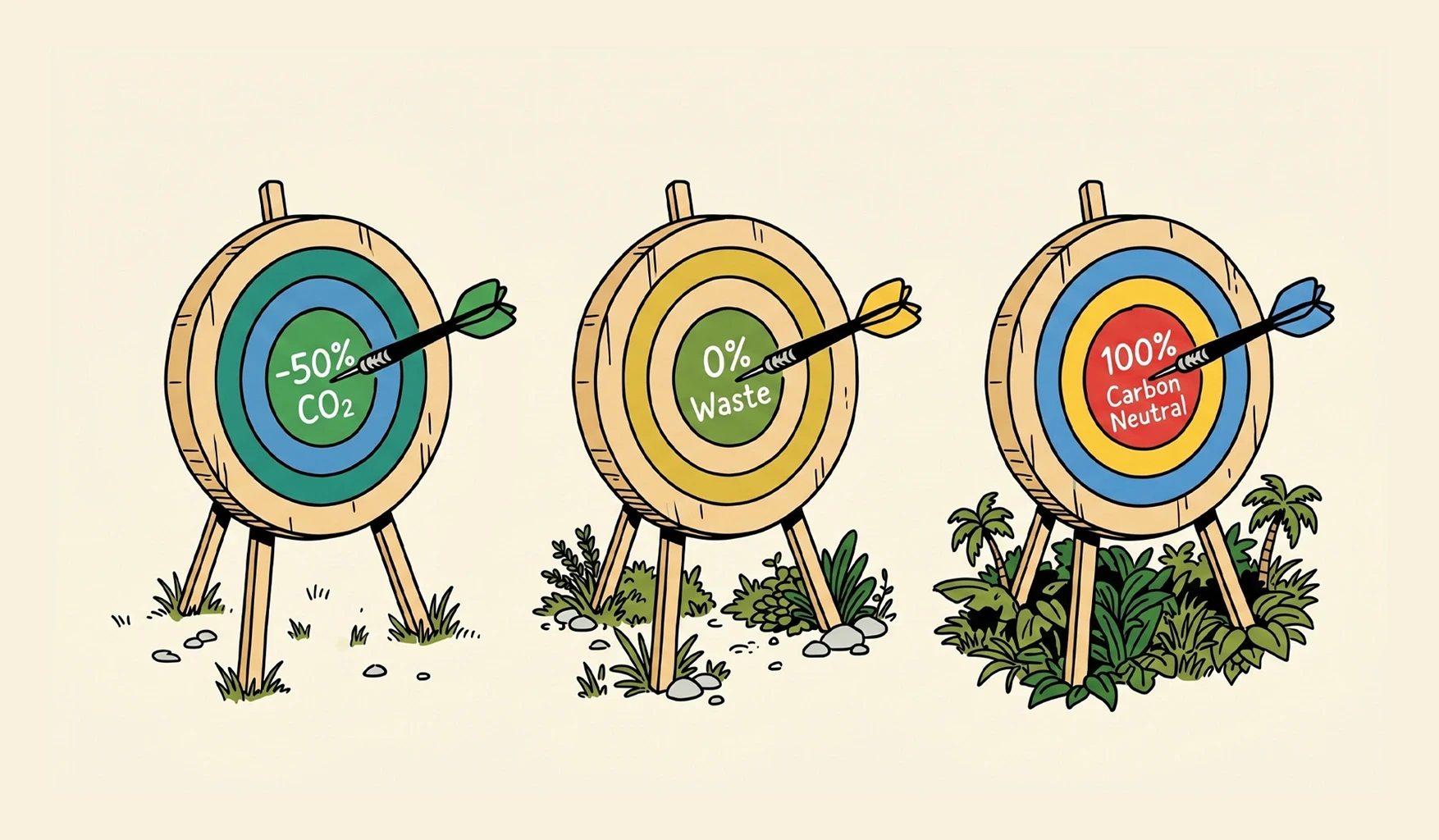
This starts with setting clear sustainability goals. Whether the objective is to reduce emissions by a certain percentage, achieve zero waste, or host a carbon-neutral event, defining measurable targets is essential.
Working with experienced partners also plays a crucial role. Destination management companies (DMCs), venues, and suppliers that prioritize sustainability can significantly influence the overall impact of the event.
Equally important is integrating sustainability into the event design itself. This means considering environmental impact when making decisions about location, format, and attendee experience.
A well-defined strategy ensures that sustainability is not just a checkbox, but a guiding principle.
Smarter Destination and Venue Selection
Choosing the right destination is one of the most effective ways to reduce an event’s carbon footprint.
Selecting locations that are easily accessible via direct flights can significantly cut down travel emissions. Destinations with strong sustainability infrastructure, such as efficient public transportation, renewable energy sources, and eco-certified venues, offer additional advantages.
Walkable cities are particularly valuable. When attendees can move between hotels, venues, and attractions on foot, the need for transportation is greatly reduced.
Venues themselves also play a critical role. Eco-certified venues often implement energy-efficient systems, waste reduction programs, and water conservation practices.
Natural settings can further enhance sustainability. Hosting events in locations that maximize natural light and ventilation can reduce reliance on artificial energy sources while creating a more authentic and immersive experience.

Reducing Travel-Related Emissions
Travel is often unavoidable, but it can be optimized.
Encouraging attendees to choose direct flights reduces emissions associated with layovers. Coordinating group travel can also improve efficiency.
Hybrid and virtual components offer another solution. By allowing some participants to join remotely, companies can significantly reduce the number of people traveling without compromising engagement.
Carbon offset programs provide a way to compensate for unavoidable emissions. These programs invest in environmental projects such as reforestation, renewable energy, and conservation initiatives.
Incentivizing sustainable transportation, such as shared transfers, electric vehicles, or biking options, can further reduce impact at the destination level.
Sustainable Accommodation Choices
Hotels are a key part of the event ecosystem, and selecting the right partners can make a significant difference.
Eco-conscious hotels often implement energy-saving technologies, water conservation systems, and waste reduction initiatives. Certifications such as LEED or EarthCheck can serve as indicators of a property’s commitment to sustainability.
Beyond selection, encouraging responsible guest behavior can amplify impact. Simple actions, such as reusing towels, minimizing energy use, and reducing water consumption, can collectively lead to meaningful savings.
Incentivizing or communicating these practices in a thoughtful way can enhance guest participation without compromising comfort.

From Case Study: World Nutrition Forum
Food and Beverage: Local, Seasonal, and Low-Waste
Food is not only a central element of the event experience, it is also a major contributor to its environmental footprint.
Prioritizing locally sourced and seasonal ingredients reduces emissions associated with transportation and supports local communities.
Shifting toward plant-forward menus can significantly lower carbon impact, as meat production is resource-intensive. This does not mean eliminating meat entirely, but rather offering balanced and creative alternatives.
Reducing food waste is equally important. Accurate planning, portion control, and donation programs for surplus food can help minimize waste.
Eliminating single-use plastics, such as bottles, straws, and packaging, should also be a priority. Reusable or biodegradable alternatives are increasingly available and widely accepted.
Rethinking Materials and Production
Traditional event production often relies on materials that are used once and discarded. Rethinking this approach can yield significant environmental benefits.
Going paperless is one of the simplest and most effective changes. Digital invitations, event apps, and QR codes can replace printed materials without sacrificing functionality.
Sustainable design practices, such as modular staging, reusable signage, and rented furniture, reduce waste and resource consumption.
When materials are necessary, choosing eco-friendly options, such as recycled or biodegradable materials, can minimize environmental impact.
Reducing or reimagining giveaways is another important consideration. Instead of generic items, companies can offer meaningful, sustainable gifts or experiential alternatives.
Waste Management and Circular Practices
Effective waste management is essential for any sustainable event.
Implementing recycling and composting systems ensures that waste is properly sorted and diverted from landfills. Clear signage and staff guidance can help attendees participate effectively.
Adopting circular practices, where materials are reused, repurposed, or recycled, can further reduce waste. This approach not only minimizes environmental impact but also reflects a forward-thinking mindset.
Measuring waste output provides valuable insights for future events. Understanding what is being discarded and why allows planners to refine strategies and improve outcomes over time.
From Case Study: World Nutrition Forum
Measuring and Offsetting Carbon Impact
What gets measured gets managed.
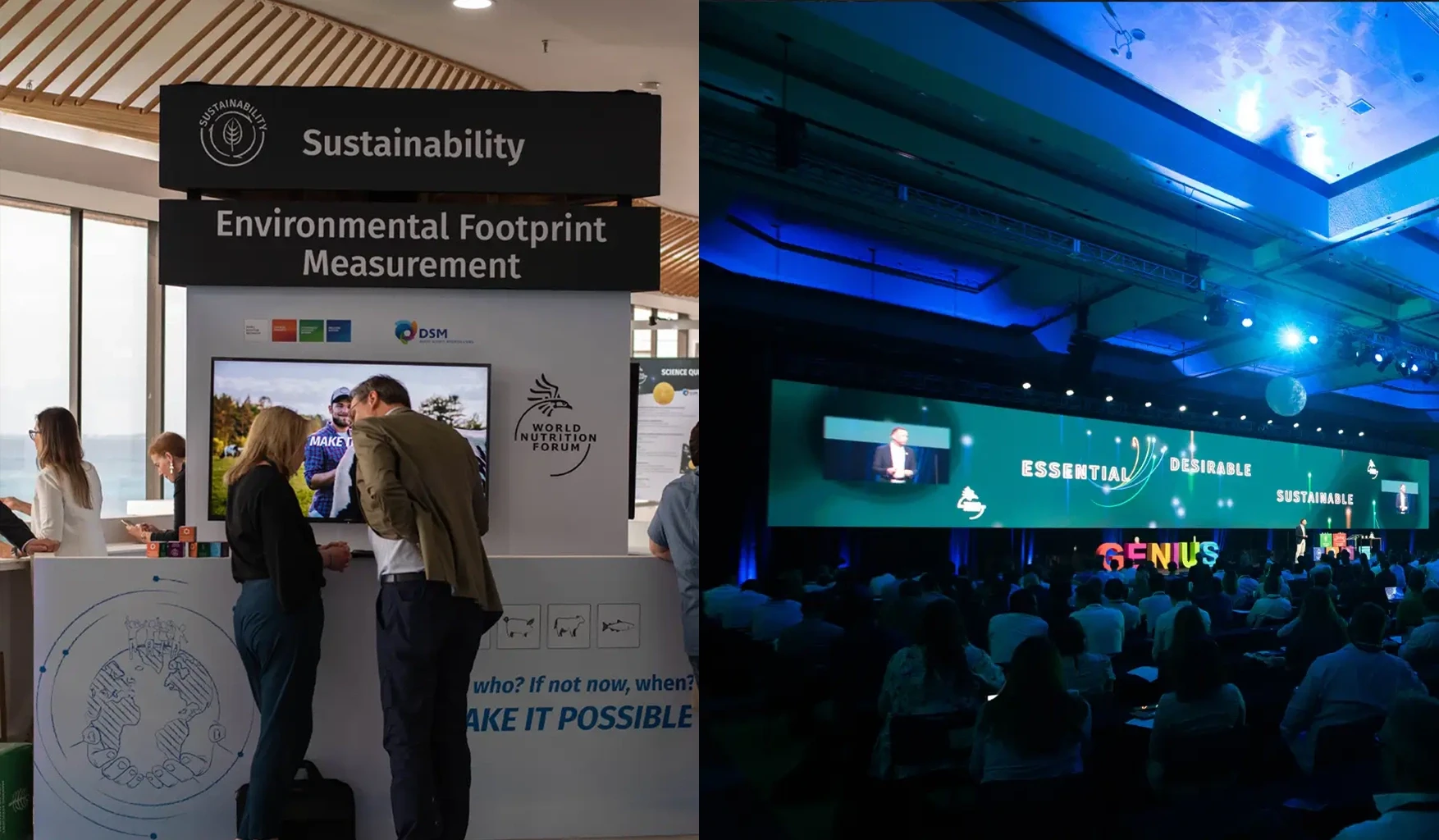
Calculating the carbon footprint of an event provides a baseline for improvement. Various tools and platforms are available to estimate emissions based on travel, accommodation, energy use, and other factors.
Once emissions are quantified, companies can take steps to reduce them and offset what cannot be avoided.
Carbon offset programs play a key role in this process. By investing in verified environmental projects, companies can balance their emissions while contributing to global sustainability efforts.
Transparency is critical. Sharing sustainability metrics and initiatives with stakeholders not only builds trust but also reinforces the company’s commitment to responsible practices.
Engaging Attendees in Sustainability
Sustainability is most effective when it is a shared effort.
Communicating the event’s sustainability goals and initiatives helps set expectations and encourages participation. This can be done through pre-event communications, on-site messaging, and digital platforms.
Creating opportunities for engagement, such as community activities, environmental workshops, or local experiences, can deepen the impact.
When attendees feel involved, sustainability becomes part of the experience rather than an external requirement.
The Business Case for Sustainable Events
Beyond environmental responsibility, sustainable events offer tangible business benefits.
They enhance brand reputation by demonstrating a commitment to values that matter to clients, partners, and stakeholders.
They support ESG goals and align with global standards and expectations.
They can also lead to cost efficiencies over time. Reducing waste, optimizing resources, and leveraging digital solutions can lower expenses without compromising quality.
Perhaps most importantly, sustainable events resonate with modern audiences. Today’s travelers and professionals increasingly seek experiences that are meaningful, responsible, and aligned with their values.
Conclusion
The future of corporate events is sustainable.
Reducing the carbon footprint of events is not about sacrificing quality or creativity; it is about making better choices. It is about designing experiences that are not only memorable but also responsible.
Every decision, no matter how small, contributes to a larger impact. From selecting the right destination to rethinking materials and engaging attendees, each step brings us closer to a more sustainable future.
In the end, the most successful events are not only those that achieve their business objectives, but those that leave a positive legacy, for people, for communities, and for the planet.